Systems forservice businesses,built by someonewho ran one.
I scaled a moving labor company to 25 people and $432K a year doing the intake, quoting, scheduling and follow-up by hand. Now I build that machinery for trade and service businesses: AI automation on infrastructure you own, shipped one tested piece at a time.
Ryan Milly · operator, systems builder, project lead
gocontroller.app
confidencemove.com
field · confidence crew
Work order#2018
Crew at peak25
Lead close rate76%
Google rating4.8 · 64
Peak year$432K
$432KGross revenue at Confidence, 2022, at roughly 28% margin
76%Lead-to-booked close rate from a sales process I built and ran
25Office and field staff at peak, hired, trained and scheduled
60+Households on the holiday lighting route every season since 2018
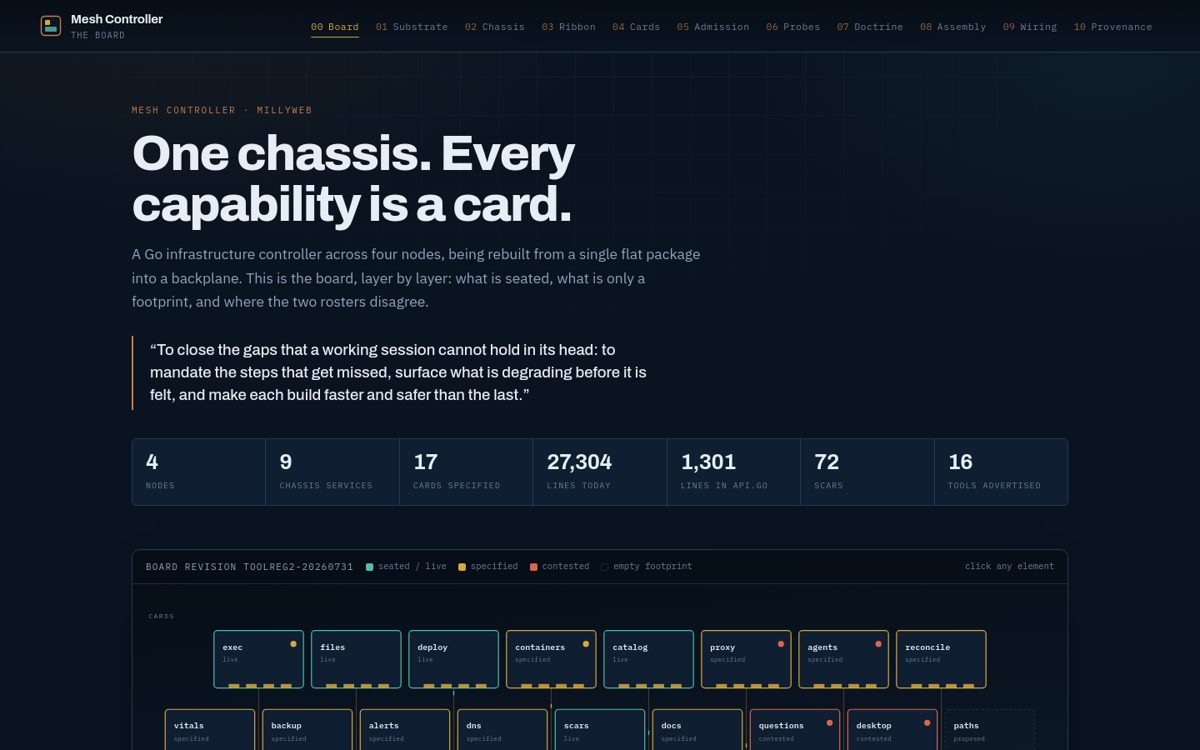
680Tools from 45 servers behind one self-hosted AI gateway
70+Failures logged as "scars" so no fix gets relearned the hard way
From the job file
Before the software, there were the trucks.
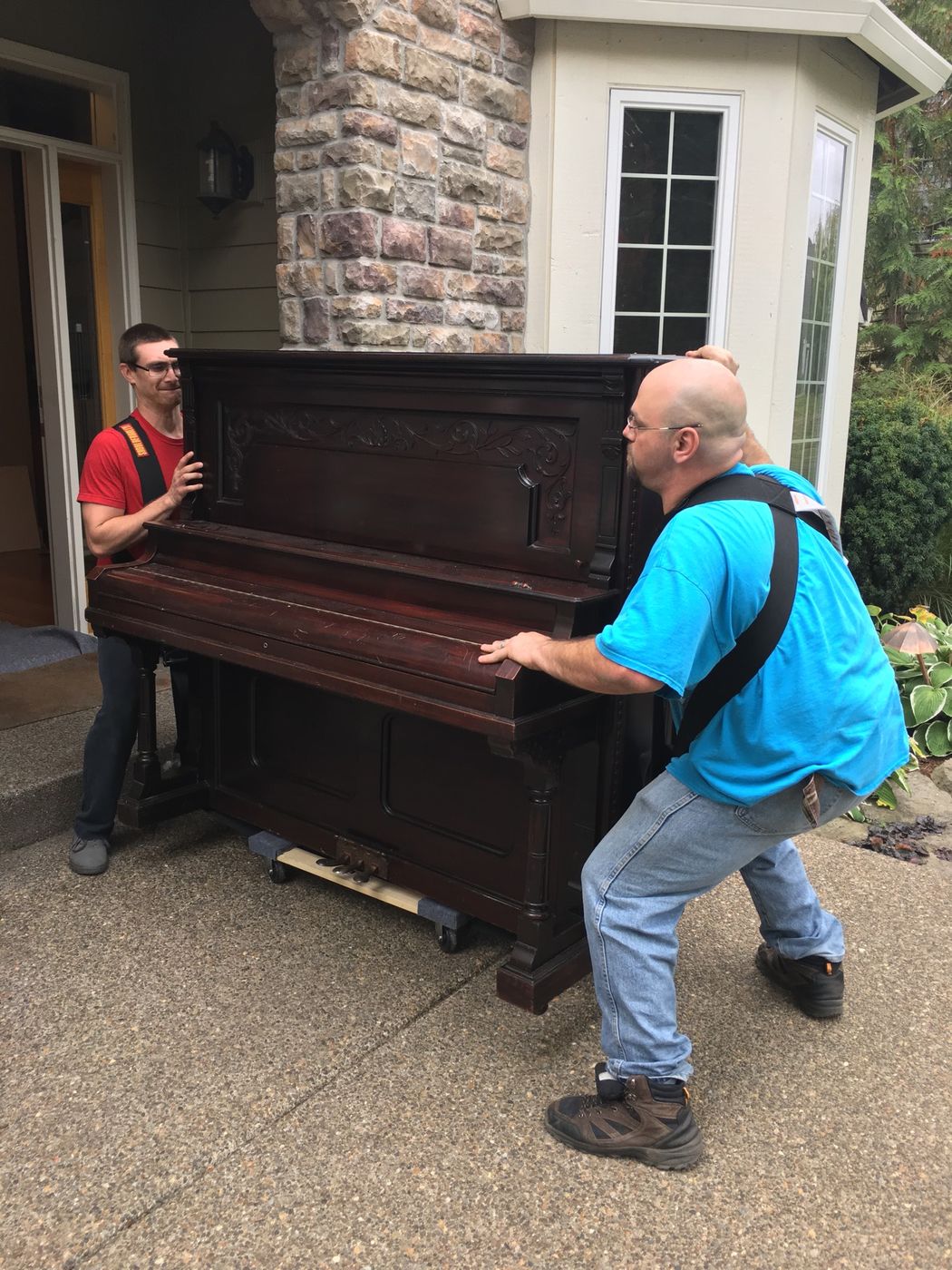
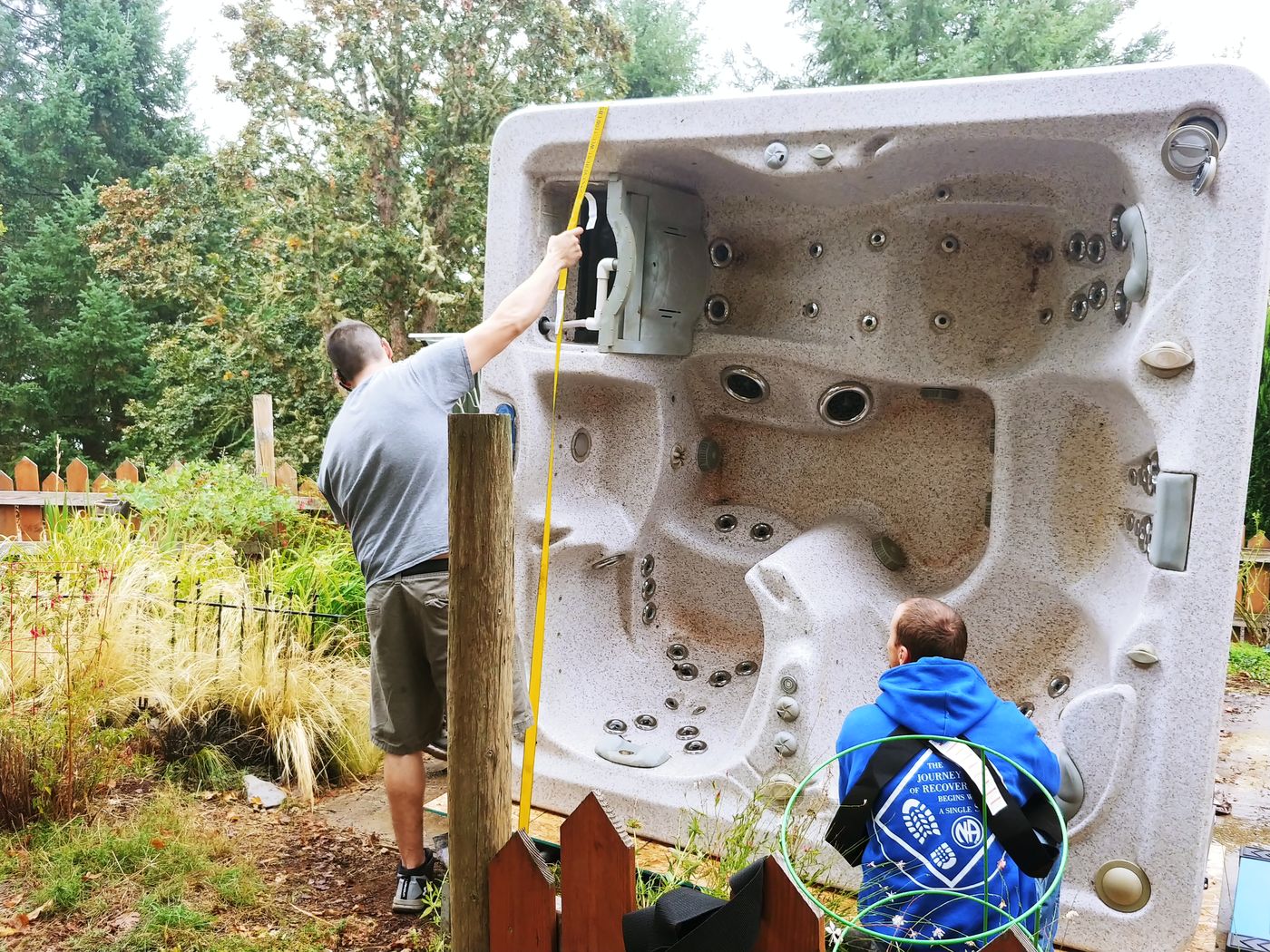
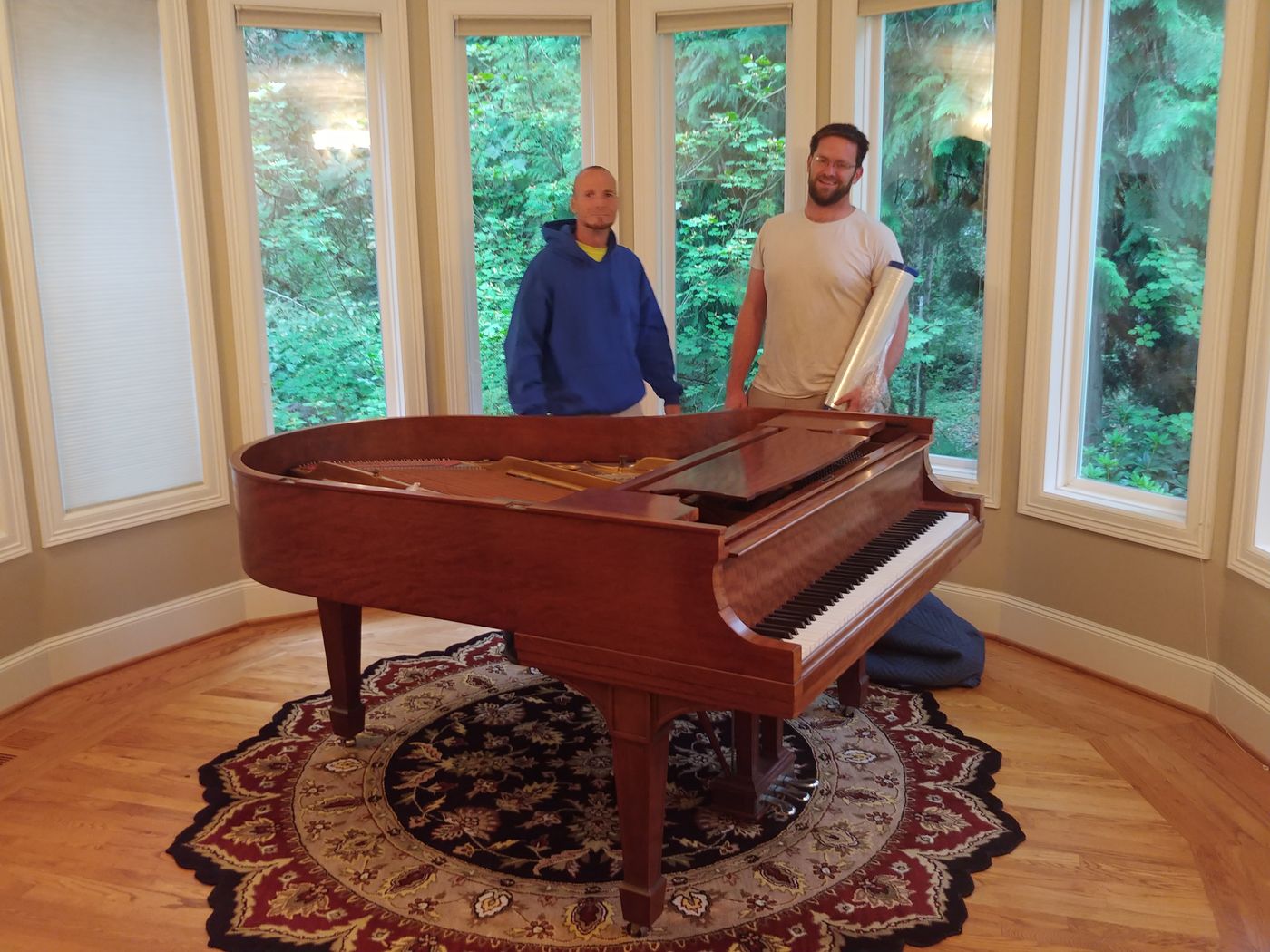
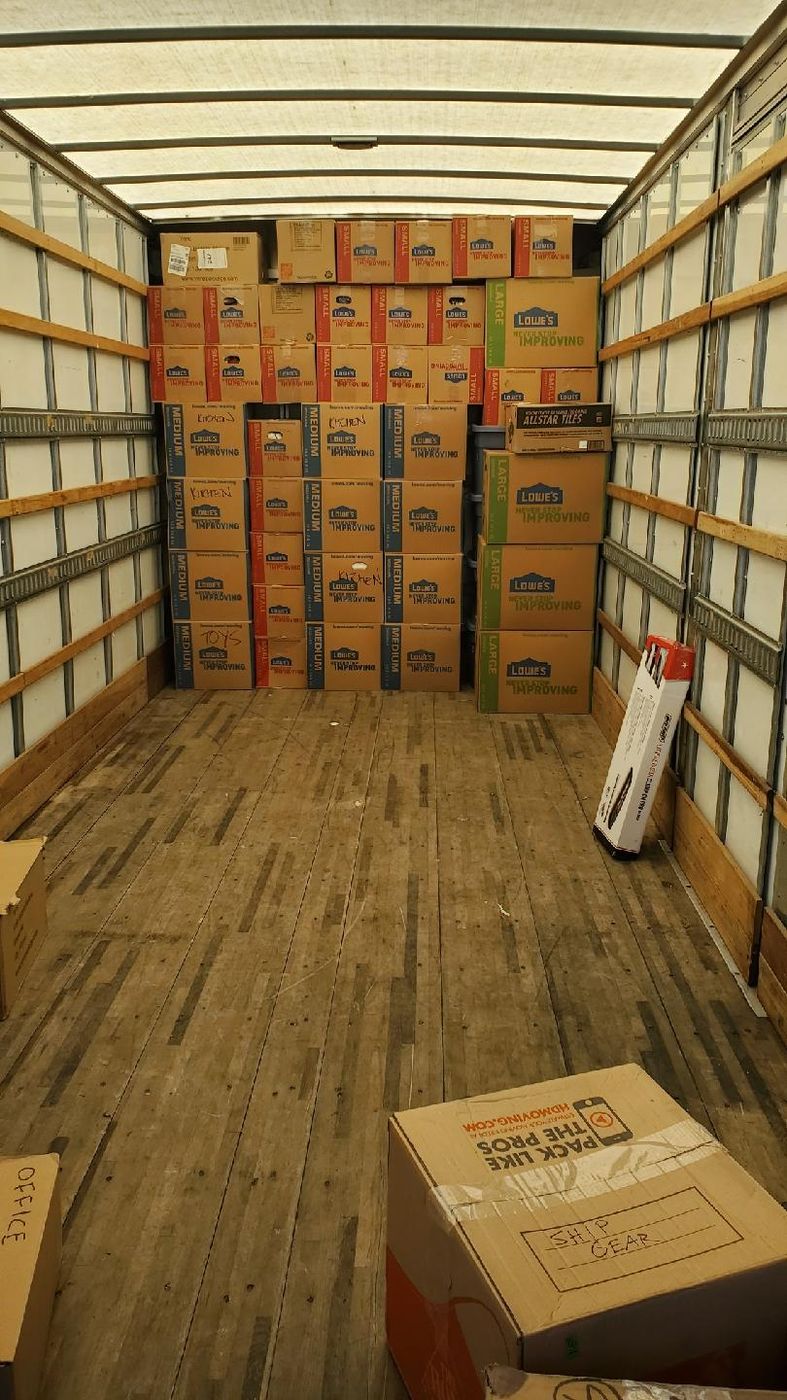
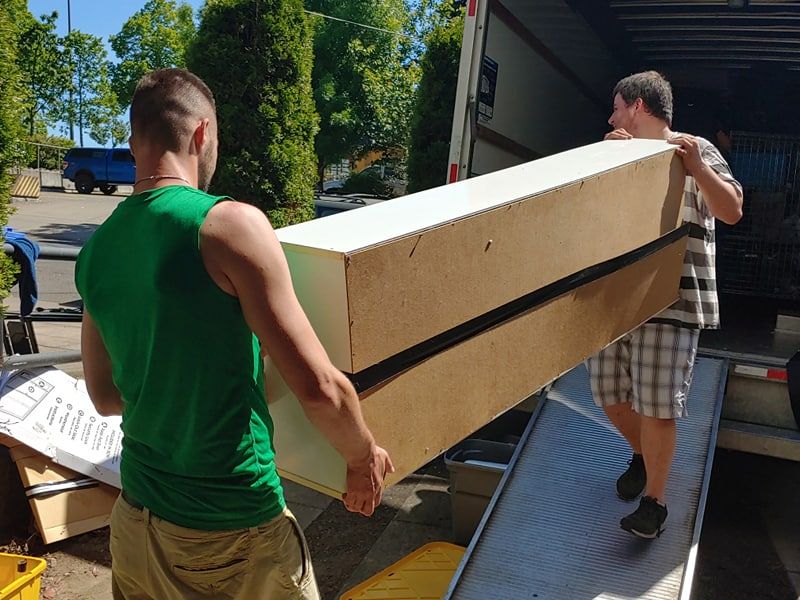
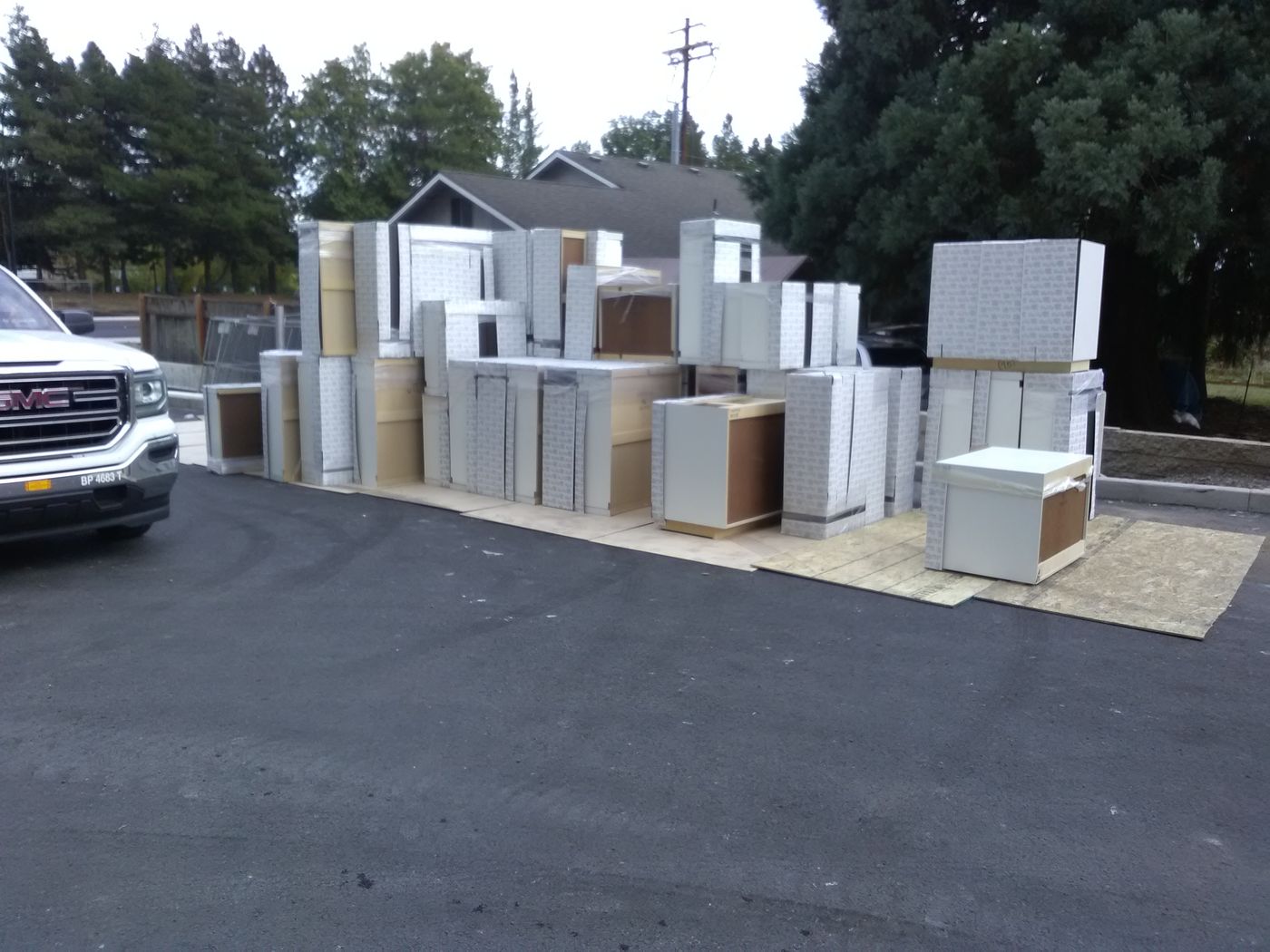
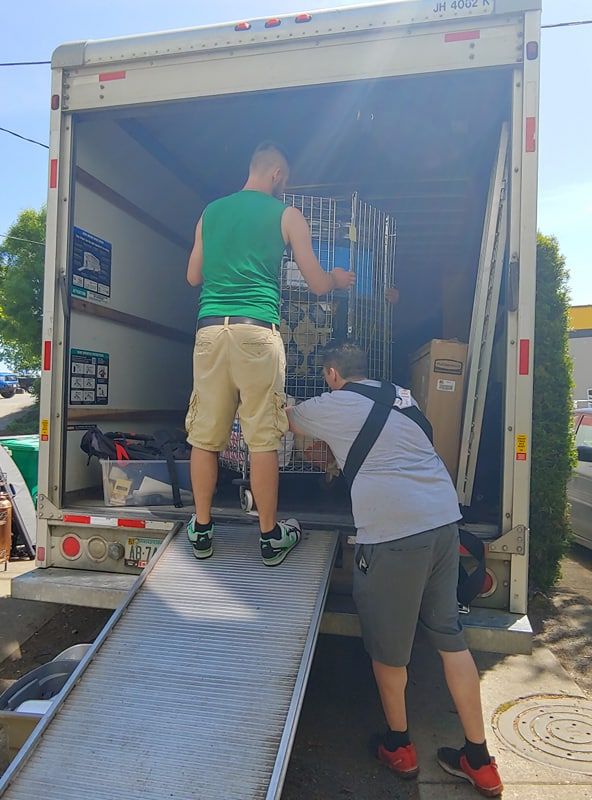
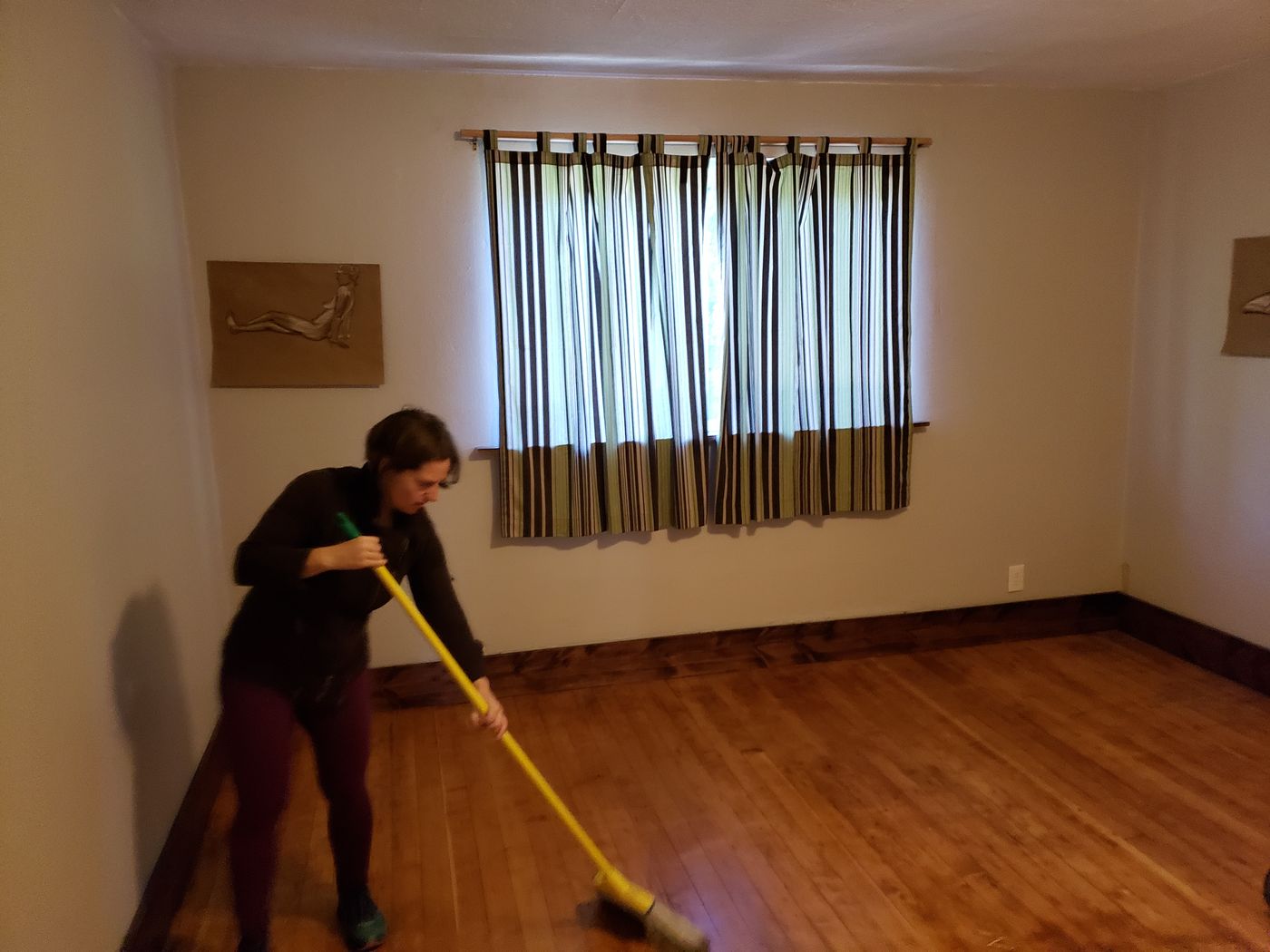
These are real Confidence jobs from our own photo archive: pianos, hot tubs, commercial cabinet runs, and a lot of carefully packed boxes. Every system I build now is aimed at the office work that sat behind days like these.
Hot tub out of a side yard · Sep 2018Grand piano · Aug 2018Packed to the ceilingDown the rampCommercial cabinet run · Sep 2018Loading outUpright piano, front doorSwept before we leave · Sep 2018
Founded 2018 in Amity, Oregon. Rated 4.8 stars across 64 Google reviews.
Pick your trade and the things that keep you up at night. The board lights up the parts of a lead-to-review pipeline that would fix them, the way I scope a real job. Send it to me and the audit starts from your answers, not a blank form.
Dispatch board · intake to review0 of 8 stations wired
1 · Your trade
2 · What's costing you
Recommended start
Pick what's costing you
Choose one or more problems on the left and I'll show you where I would start and what it would cost.
0hours a week back, a rough estimate for a small crew
Estimates only. The paid audit replaces them with your real numbers.
Services
Three ways to work together. Prices on the page.
Most owners start with the audit. If we build, the audit fee comes off the build. Every build ends with a working system you can see on your own phone, not a slide deck.
Start here
Systems audit
$500
A working session plus a written map of where leads, hours and money leak out of your business, ranked by what to fix first.
Walkthrough of your intake, quoting, booking and follow-up
Every case below is running today. Each one lists what I specified, what shipped, and what went wrong along the way, because how a builder handles the breakage tells you more than the screenshot does.
LiveBooking + estimatorCloudflare Pages
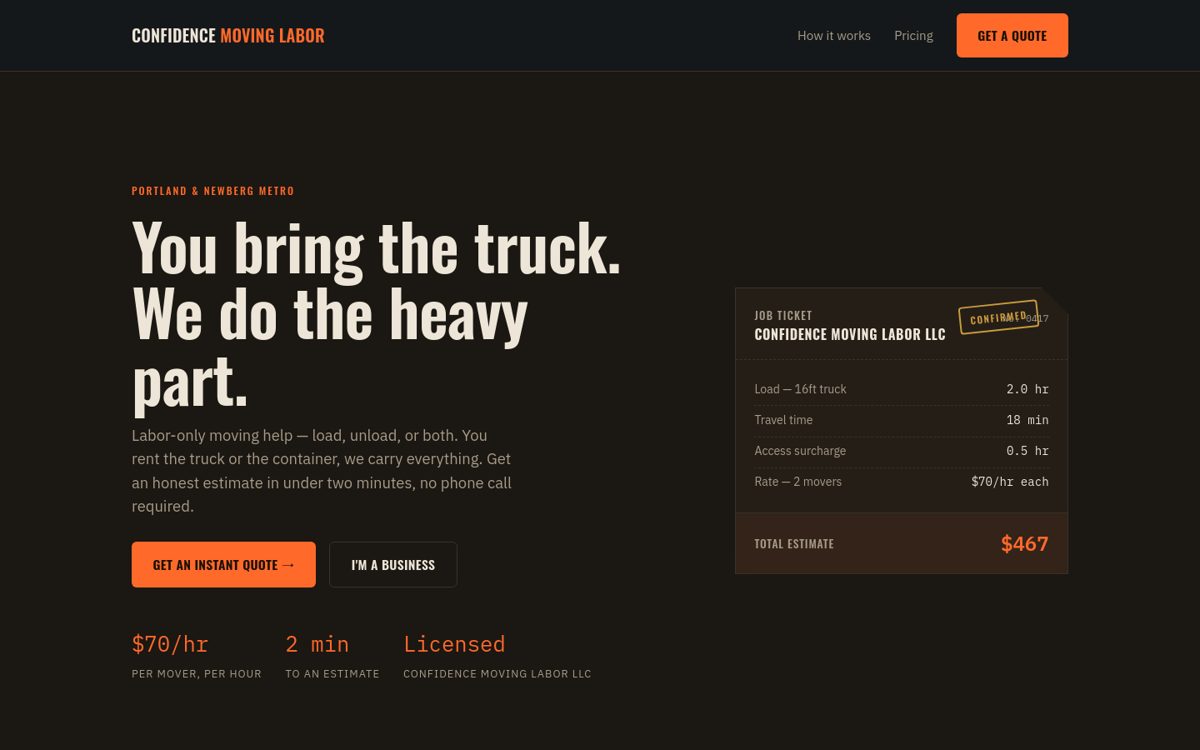
Confidence Moving Labor
My own company, rebuilt so a customer can get a real number in two minutes instead of waiting for a callback.
What I specified
A branching estimate: load, unload or both, truck size, stairs and elevators, items over 200 lb, travel time. Per-mover pricing with the wage, insurance and margin shown openly. A 25% deposit to book, and an in-person estimate required above four bedrooms where the hour math stops being honest.
What shipped
A static site on Cloudflare Pages with the estimate ticket on the homepage, quick-select buttons instead of number fields, and Google Business Profile reworked to county service areas.
What broke
Deploys "succeeded" and the live domain never changed. The repo was on master, Pages production was main, so every push landed as a hidden preview. Now every deploy names the branch and gets checked at the real URL.
The control plane that runs everything else here: four servers, 60+ containers, and one gateway that gives AI agents safe access to about 680 tools.
What I specified
Advertise a small core set of tools and let agents find the rest by meaning, so they stop choking on a 700-item menu. A quality gate every deploy must pass. A daily digest that surfaces silent failures before they become outages.
What shipped
Embedding-based tool search over 680 tools with 16 advertised by default. A gate covering build, tests, secrets and exposure checks. A health scan cut from 11.4 seconds to 4.25 by measuring first, which proved my first guess about the slow part wrong.
What broke
The gate's very first run found a command endpoint answering the public internet with no authentication. Closed and verified from both sides the same day. Later, a binary swap failed silently and locked us out; the fix is now a written halt-first procedure with a checksum step.
Scraping and enrichment on its own server: state license records plus maps data, scored into 168 warm leads for about $2.42 per run.
Internal tooling
How I work
One feature at a time. Nothing ships unchecked.
I build with AI the way I ran crews: clear scope, firm rules, and checking the work at the customer's door instead of trusting that it got done. You approve each piece before the next one starts.
1
Intake
What breaks without this? Does something you already pay for do it? We answer before anything is built.
2
Spec
A written spec with edge cases and what "done" means, which you sign off on.
3
Build
One feature, in a versioned repo with an off-site copy. No half-finished pile of five things.
4
Gate
Type checks and a security scan run automatically. If the gate fails, it doesn't deploy.
5
Your sign-off
You use it on your own phone. The next feature waits until you say this one works.
6
Log
A build log and failure notes stay with the project, so whoever touches it next starts informed.
Every mistake gets written down once.
I keep a "scar" for any failure that wasn't obvious: what happened, the evidence, and the fix. Before touching that part of a system again, the scars load first. It's the reason the same outage doesn't happen twice, and it's part of what you get with every build.
# .scars/scars.jsonl · one real entry, trimmed
{
  "kind": "gotcha",
  "anchor": "cloudflare-pages deploy",
  "claim": "Deploy reports success, domain
            never updates.",
  "evidence": "repo on master, production
            branch is main: lands as preview",
  "fix": "always --branch=main, then verify
            the live URL, not the tool",
  "status": "active"
}
About
I'm Ryan Milly. I started Confidence in 2018 and grew it into a moving labor company with 25 people on payroll.
I founded it hiring exclusively out of a recovery program, and we still hire that way. That shaped how I run everything: clear expectations, honest estimates, and telling a customer what to watch out for even when it isn't with me. That transparency is a big part of how we closed 76% of the leads that called.
The hardest part was never the lifting. It was the office side: quotes after hours, missed calls from job sites, deposits chased by text, reviews nobody asked for. When I stepped back from the trucks I went looking for tools to fix that. The software was priced for bigger companies and the lead marketplaces wanted 15% of every job, so I started building my own.
I don't hand-type the code. I direct AI to build it, and I own the parts that decide whether it works: the spec, the constraints, the quality gate, and the check at the destination. That is the same job as running a crew, and it's why the systems above are still standing.
I sit between the customer and the build. I've been the customer, I've run the P&L, and I ship working systems through AI with real process around them. The work above is the evidence.
Roles I'm a fit for
Implementation consultantSolutions consultantTechnical account managerAI program / project managerForward-deployed ops
Claude / LLM agentsMCPn8nGoPythonDockerLinuxPostgresCloudflareTwilioCRM integrationSecurity+ in progress
What you'd get
Discovery with non-technical owners. I speak their language because I was one, and I turn messy needs into written specs.
Delivery discipline. Specs before code, one feature at a time, automated gates, sign-off before moving on.
Honest status. I report what's verified, assumed or unknown, and I check results where the customer sees them.
Operations range. Hiring, dispatch, vendors, pricing and P&L for a 25-person team.
No. If you can answer the phone and describe your week, you have what the audit needs. You'll get everything explained in plain terms, and you'll test each piece on your own phone before it counts as done.
Who owns what you build?
You do. Accounts are set up in your name where possible, the code lives in a repository you can access, and nothing is held hostage behind my login.
What happens when something breaks after launch?
With a care plan, I'm watching for it and usually fix it before you notice. Without one, you get the build log and failure notes, so any competent person can pick it up. Either way, every build ships with alerts that tell a human when it stops working.
What about my customers' data?
Secrets live in a secret manager, never in code. Queries are parameterized, every route needs auth, and a security scan runs before every deploy. I'll tell you plainly which vendors touch your data and why.
Do you only work in Oregon?
I'm based in Newberg and know Willamette Valley service businesses well, but everything I build runs online. I work with owners anywhere in the US.
Tell me where the week goes sideways.
Send a few lines about your business and what's eating your time. I read every one myself, and if I'm not the right fit I'll say so and point you to who is.